If you've been researching transparent LED screen cost for an upcoming project, you've probably noticed that getting a straight answer is frustratingly difficult. One supplier quotes $600 per square meter, another quotes $4,500 - and both claim to offer "premium quality." The reality is that transparent LED display pricing in 2026 depends on a matrix of technical and project-specific variables, and understanding those variables is the difference between a smart investment and an expensive regret.
This guide breaks down every cost factor that influences what you'll actually pay, provides realistic 2026 price ranges by application type, and covers the hidden expenses that most pricing articles conveniently leave out.
What Makes Transparent LED Screens More Expensive Than Standard Displays
Before diving into numbers, it's worth understanding why transparent LED screens carry a premium over conventional LED panels. Traditional LED displays pack LED lamp beads densely on opaque circuit boards to produce a full image. Transparent screens, by contrast, use a fundamentally different architecture - miniaturized LEDs mounted on narrow, see-through light bars with engineered gaps between them. This hollow-out design achieves transparency rates between 60% and 90%, allowing natural light and views to pass through while still delivering vivid visuals.
That engineering sophistication comes at a cost. The specialized PCB design, precision LED placement, and advanced driver ICs required for transparent panels all increase manufacturing complexity compared to a standard LED wall. However, the trade-off is substantial: transparent displays deliver visual impact without blocking storefronts, obstructing architectural sightlines, or sacrificing interior lighting - capabilities that traditional screens simply cannot match.
The Five Factors That Determine Transparent LED Screen Price in 2026
1. Pixel Pitch and Resolution
Pixel pitch - the distance between adjacent LED beads - is the single largest driver of transparent LED display cost. Smaller pitch means more LEDs per square meter, sharper images at closer viewing distances, and significantly higher manufacturing expense. Lamp beads alone typically account for roughly 60% of total panel cost, so this variable has outsized influence on your final price.
In practical terms, a P10.4 panel (10.4mm pitch) designed for long-distance outdoor viewing might cost $600–$900 per square meter, while a P3.9 panel (3.9mm pitch) suitable for close-up retail applications can run $1,200–$2,500 per square meter. Fine-pitch models at P2.6mm and below - used in luxury showrooms and museums - can push past $3,000 per square meter.
The key decision point is viewing distance. If your audience will be standing 5 meters or more from the screen, investing in ultra-fine pitch wastes budget without visible benefit. Match pixel pitch to actual use case, not theoretical specifications.
2. Brightness and Indoor vs. Outdoor Ratings
A transparent LED screen destined for an indoor retail window needs roughly 1,000–2,500 nits of brightness. An outdoor glass curtain wall installation competing with direct sunlight requires 4,000–6,000+ nits. That brightness gap translates directly into price: outdoor-rated transparent panels typically cost 30–50% more than their indoor counterparts at equivalent pixel pitch, due to higher-grade LEDs, advanced heat dissipation, and weatherproofing requirements (IP65 or higher).
If your installation will face partial sun exposure - such as a south-facing storefront - don't default to full outdoor specs. A mid-brightness transparent screen solution may deliver perfectly adequate visibility at a considerably lower cost.
3. Screen Size and Customization
Larger installations obviously cost more in raw materials. But what many buyers underestimate is the customization premium. Transparent LED screens are rarely off-the-shelf products. They're frequently built to fit specific window dimensions, curved facades, or non-standard aspect ratios. Custom shapes - arcs, circles, L-configurations - require specialized engineering and fabrication that can add 15–30% to the base panel price.
Standard rectangular configurations using modular cabinet systems keep costs more predictable. If your project allows flexibility in dimensions, designing around standard cabinet sizes rather than forcing custom cuts will meaningfully reduce your per-square-meter cost.
4. Emitting Technology: Front vs. Side
Two dominant LED mounting approaches exist in the transparent display market. Side-emitting screens mount lamp beads on the edge of light bars, making individual strips easy to replace and maintain. Front-emitting (also called positive-emitting) screens paste LEDs directly onto the bar face, delivering superior display consistency and wider viewing angles but at a higher production cost.
For most commercial applications - retail windows, exhibition halls, corporate lobbies - side-emitting technology offers an excellent balance of visual quality and cost efficiency. Front-emitting panels make sense for high-end installations where image uniformity under close scrutiny is critical, such as luxury brand flagships or museum displays.
5. Brand, Supplier, and Supply Chain
The LED lamp bead brand inside your screen significantly impacts pricing. Panels using premium components from established manufacturers like Nationstar carry a price premium of 20–40% over those using generic alternatives. However, the higher reliability, better color accuracy, and longer rated lifespan (often 100,000+ hours) of premium beads typically justify the investment through reduced maintenance and replacement costs over the screen's life.
Sourcing strategy matters too. Buying directly from a manufacturer rather than through distributors or resellers eliminates markup layers. For U.S. buyers, working with a trusted transparent LED screen supplier that handles logistics, customs, and technical support domestically can save both money and headaches compared to managing international procurement independently.
Realistic 2026 Price Ranges by Application
Rather than quoting abstract per-square-meter numbers, here's what real-world projects typically cost in 2026:
Small Retail Storefront Display (1m × 2m, P3.9–P5.2, indoor). Estimated total: $3,500–$8,000 including panels, controller, and basic installation. Ideal for boutiques, cafés, and small retail spaces where the screen serves as both a promotional tool and a design element. A transparent touch screen display adds interactive capability for an additional investment.
Medium Commercial Video Wall (2m × 3m, P3.9–P7.8, indoor). Estimated total: $10,000–$18,000. Common in shopping mall storefronts, car dealerships, and corporate reception areas. At this scale, the visual impact is substantial and content management becomes an important operational consideration.
Large Glass Curtain Wall Installation (10m+ × 3m, P7.8–P10.4, outdoor-rated). Estimated total: $30,000–$80,000+. High-rise building facades, stadium perimeters, and transit hub installations fall into this category. Engineering costs for structural mounting, electrical infrastructure, and weatherproofing represent a significant portion of total project expense.
Event and Exhibition Rentals (variable sizes, short-term). Estimated cost: $2,000–$6,000 per event depending on screen area and duration. Rental makes sense for trade shows, product launches, and temporary activations where the "wow factor" is needed without a permanent commitment.
The Hidden Costs Most Pricing Guides Don't Mention
The panel price is only part of the total investment. Buyers who budget only for hardware regularly encounter unpleasant surprises. Make sure your financial planning accounts for these additional line items:
Content Creation and Management. A transparent LED screen without compelling content is an expensive window. Professional motion graphics, video production, and ongoing content updates can add $2,000–$10,000+ annually depending on complexity and refresh frequency. Cloud-based content management systems carry monthly subscription fees as well.
Installation and Structural Work. Complex mounting - especially on glass curtain walls - may require structural engineering assessments, custom brackets, and professional installation crews. Budget 15–25% of hardware cost for installation on straightforward projects, and more for architecturally complex environments.
Power Consumption. Transparent LED screens consume less energy than traditional LED walls due to lower LED density, but they're not free to run. A mid-size indoor installation typically draws 200–400 watts per square meter at full brightness. Over a year of 12-hour daily operation, electricity costs can add $300–$800 per square meter annually depending on local utility rates.
Maintenance and Spare Parts. LED panels are durable - rated lifespans of 50,000 to 100,000 hours are standard - but individual modules can fail. Budgeting 3–5% of hardware cost annually for replacement parts and periodic calibration is a prudent practice.
Transparent LED Screen vs. Alternatives: Is the Premium Worth It
Buyers frequently compare transparent LED displays against other signage technologies. Here's how the cost-value equation stacks up.
Compared to traditional LED displays, transparent screens cost 40–80% more per square meter. But traditional panels block the view entirely - a dealbreaker for storefronts, glass architecture, and any environment where natural light matters. For applications where transparency is genuinely valuable, the premium pays for itself through enhanced aesthetics and dual-purpose functionality. For a detailed side-by-side analysis, see our guide on transparent LED screen vs. traditional LED display.
Compared to transparent OLED screens, LED technology offers significantly larger maximum size, higher brightness for sunlit environments, and lower cost at scale. OLED excels in small-format, ultra-premium applications where image quality at very close viewing distances is paramount, but LED remains the practical choice for most commercial installations.
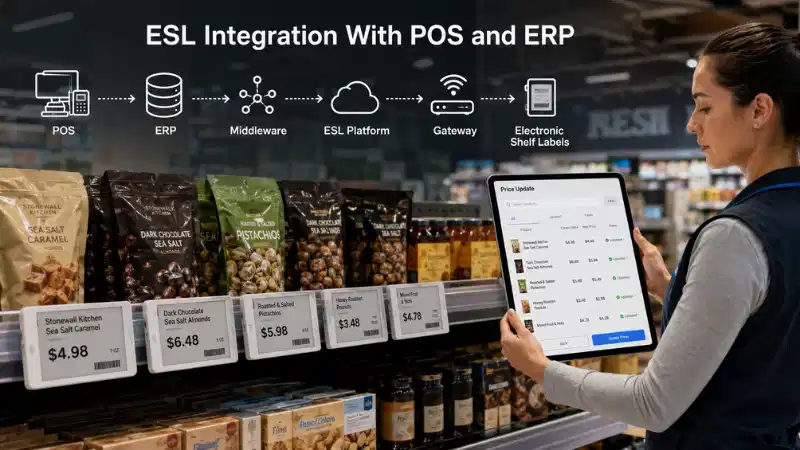
Compared to LCD digital signage, transparent LED screens offer a completely different value proposition. LCD displays - including innovative bar-shaped screens and electronic shelf labels - are more cost-effective for information display in controlled lighting. But they cannot replicate the see-through visual effect that defines transparent LED technology.
How to Get the Best Value on Your 2026 Purchase
Smart purchasing starts with clear project requirements. Before requesting quotes, define your screen dimensions, viewing distance, indoor or outdoor placement, brightness needs, and content strategy. The more specific your brief, the more accurate and competitive the quotes you'll receive.
Request detailed proposals from at least three suppliers that break down panel cost, controller hardware, installation, shipping, and warranty terms separately. Bundled pricing often obscures markup on individual components. Ask about customization options and whether standard cabinet sizes can meet your needs before defaulting to expensive custom fabrication.
Consider total cost of ownership over 5–7 years rather than focusing exclusively on upfront hardware price. A panel that costs 20% more but uses premium lamp beads and includes a comprehensive warranty may save significantly on replacements and downtime over its operational life.
Finally, verify certifications. Reputable transparent LED screen manufacturers hold CE, FCC, RoHS, and often ETL certifications. These aren't just regulatory checkboxes - they indicate quality control processes that correlate directly with long-term reliability.
The Bottom Line on Transparent LED Screen Cost
In 2026, transparent LED display pricing spans roughly $600 to $4,800+ per square meter depending on pixel pitch, brightness, size, and customization requirements. Total project costs - including installation, content, and operational expenses - typically run 30–50% above the raw hardware price. The technology delivers unique visual impact that no other display category can replicate, making it a strong investment for retail storefronts, commercial facades, exhibition environments, and premium brand experiences.
The key to a successful purchase isn't finding the cheapest quote - it's matching the right specification to your actual application and working with a supplier who provides honest guidance rather than just selling panels.
Ready to explore transparent display solutions for your next project? Browse our transparent LED screen collection or visit our retail storefront display guide for application-specific recommendations. Have questions? Contact our team for a detailed consultation and custom quote.